How much does a SaaS MVP cost in 2026
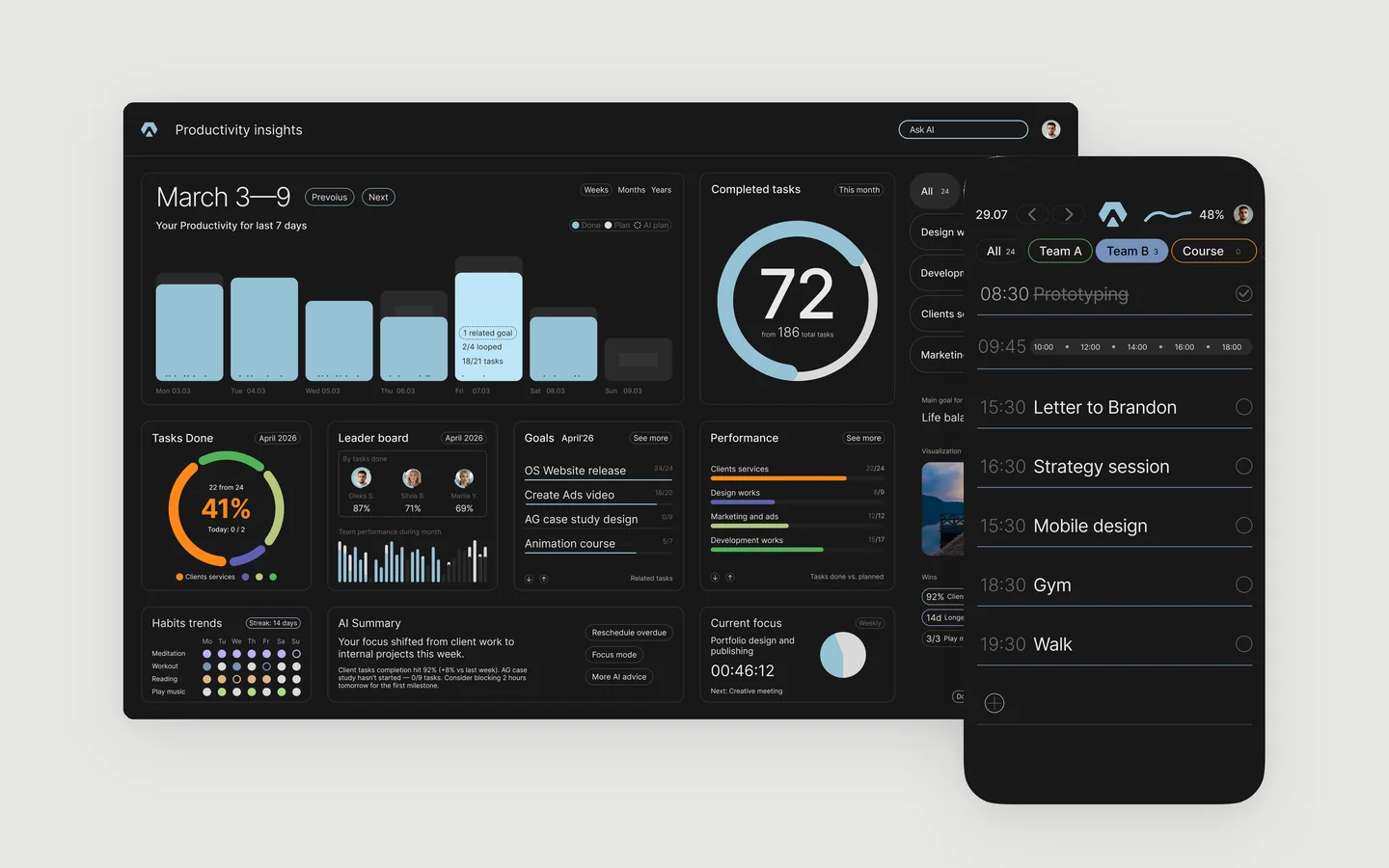
The short answer: at most studios that do solid work, a SaaS MVP with custom design starts at around $10,000 and takes one to two months. The longer answer is about what that money buys, why the price has changed in the last two years, and what decides whether you land at the low end or well above it.
Why the price has moved
Pages, components and integrations used to be the expensive part of a product. Today much of that work is fast. We build with Claude Code, and AI handles repetitive engineering: boilerplate, tests, checks against platform guidelines, migrating content. A feature list is no longer the hard part.
What stays expensive is judgment. Knowing who the buyer is, what the first version must do and what can wait, how information is ordered on a screen, and how the product feels in the hand. That is where an MVP succeeds or quietly fails, and that is where we put the time saved.
The first week
The first week is about understanding, not pixels. We study what already exists: your product, prototypes, notes, the old site if there is one. Then the market, direct competitors and the tools around them.
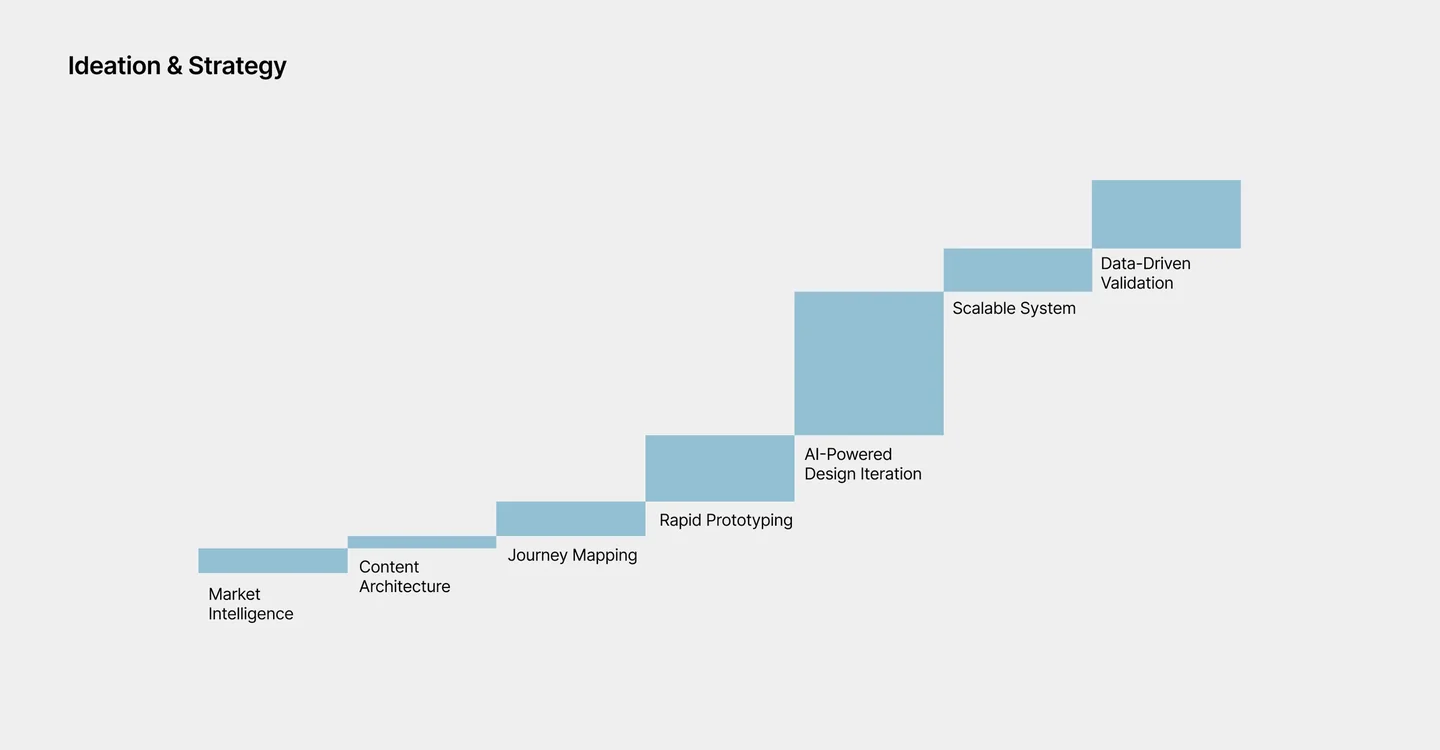
Then come the first sketches. Sometimes a sitemap, when the structure of sections needs to change. Sometimes an information hierarchy before any prototype: what comes first on the main screen, what sits lower, what folds into a list, which typeface carries it. Often the week ends with a design concept of the main screen. For most products that is the dashboard. For a product that already works and needs growth, it is the landing page. That one concept then scales to every other screen.
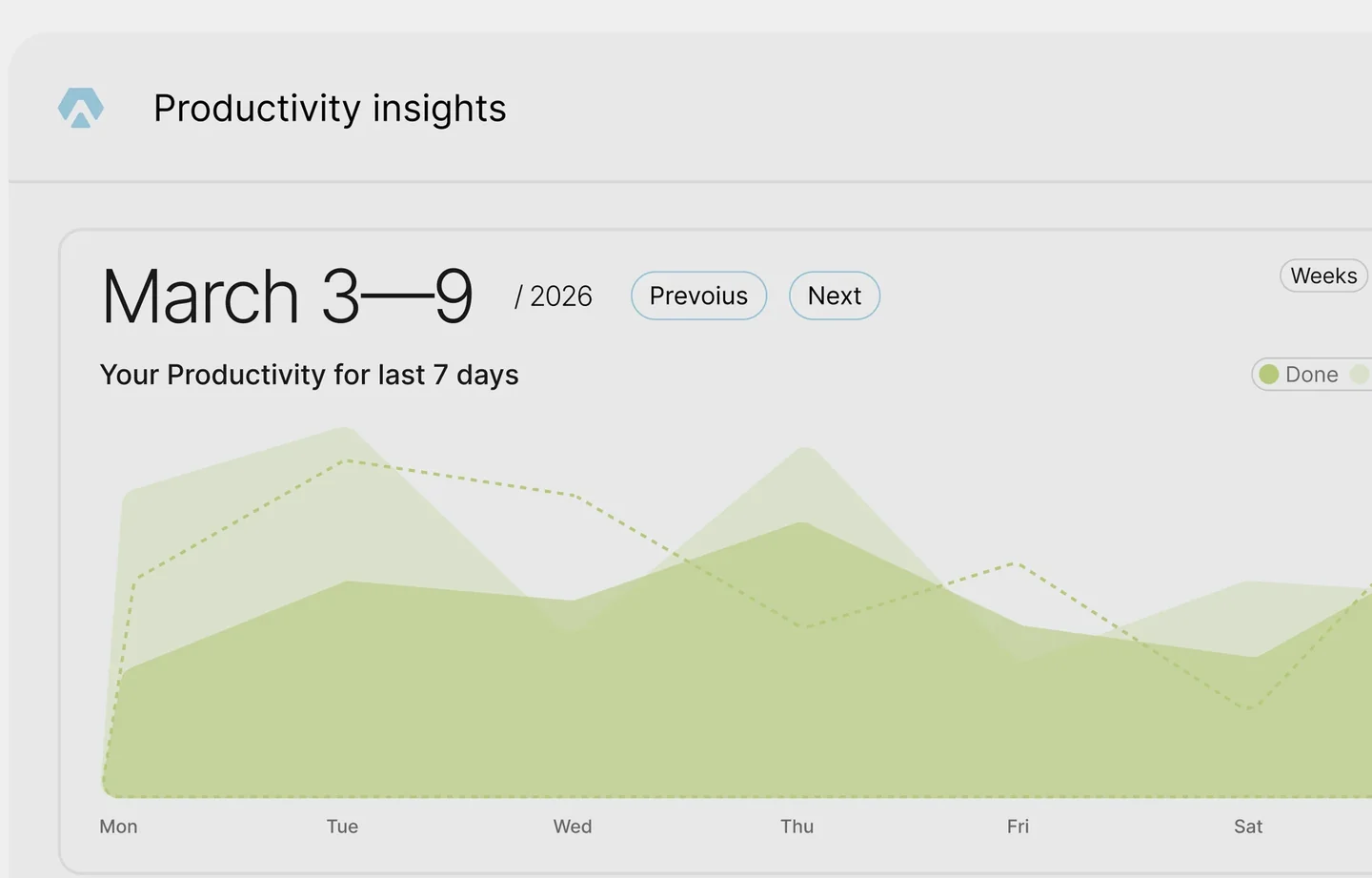
Timeline by stage
A typical MVP with one main job and one or two user roles moves like this:
- Discovery and concept, about a week. Research, structure and the concept of the main screen.
- Design, two to three weeks. All core flows in Figma, desktop and mobile, with the design system growing alongside.
- Build, three to four weeks. Front end, database, authentication, payments and the integrations the first version needs. Design and build overlap, so the first working screens appear early.
- Launch and first fixes, about a week. Analytics, the landing page, the first real users and the first round of changes.
That is how one to two months adds up. A native iPhone app, extra roles or heavy integrations extend it.
What drives the price
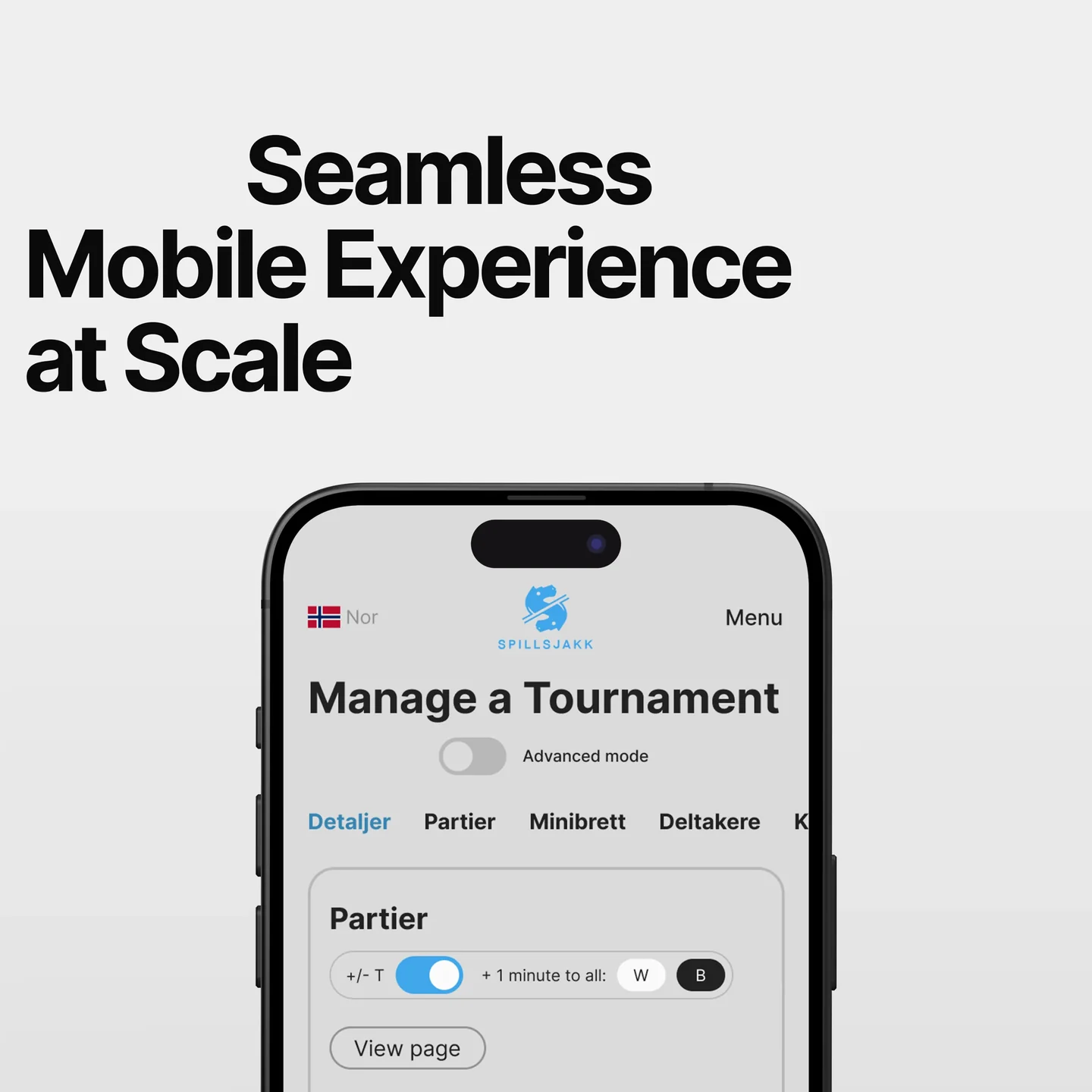
- Number of core flows. An MVP with one main job, such as planning a day or running a tournament, is very different from one with three user roles and billing.
- Platforms. Web only, or web plus a native iPhone app. A native app adds time, and it also adds widgets, haptics and the feel people expect on a phone.
- Integrations. Payments, email, calendars, AI features and connectors to tools like Claude.
- Depth of design. A clean functional interface, or a distinct brand with motion and a full design system.
- Content. Whether you bring copy and data, or we write and structure it with you.
Fixed price or hourly
For an MVP we prefer a fixed price per stage. You know the cost before each stage starts, each one ends with something you can see and use, and you pay for the next stage only when the previous one is accepted. Hourly work suits products that already run and need steady improvements, where the list of tasks changes every week.
How to keep the cost down
- One job first. Ship the main flow well and leave secondary features for version two.
- One platform first. Start on the web, where changes are instant, unless the product only makes sense on a phone.
- Real content early. Placeholder text hides problems that real data shows in a day.
- A design system from the start. It costs a little more in the first weeks and saves the most in every month after.
What you get at the end
- A working product on the web, built on Next.js, React, TypeScript and Supabase.
- A design system in Figma: tokens, components, light and dark themes.
- A landing page that explains the product and collects sign ups.
- Analytics and conversion tracking from the first day.
- A clear list of what comes next, ranked by what users actually ask for.
A real example
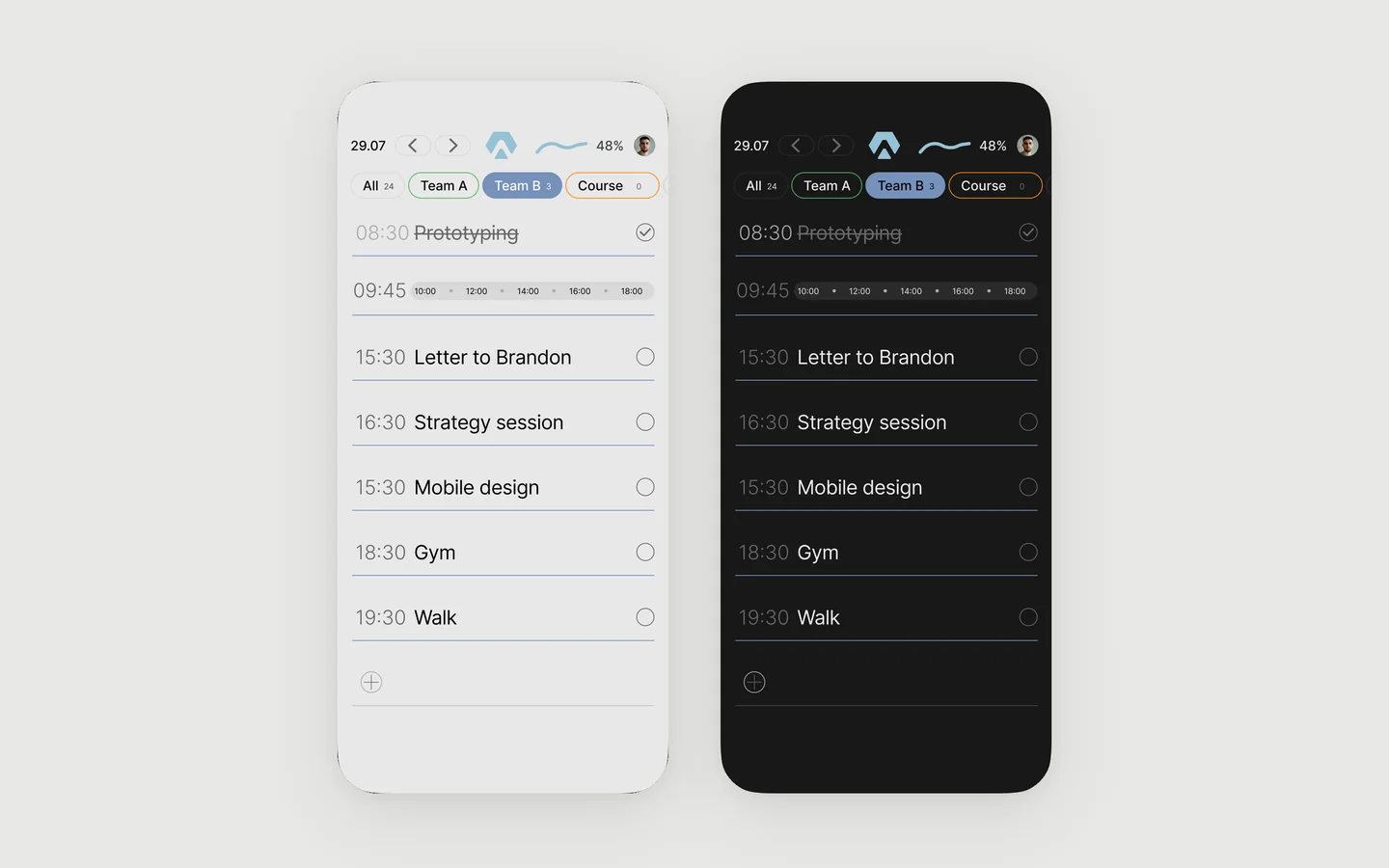
Aimgod is a personal growth system with a web app, a native iPhone app in the App Store and a landing page. The web version became the specification for the iPhone app, which then added what only the phone can do: widgets with a live countdown for the current task, haptics, subscriptions through Apple. The same process applies to client products, scaled to their scope.
Questions founders ask
Can I start with no code instead? Yes, for testing demand. Tools like Bubble or Webflow can carry a first version. Once you need custom logic, performance or a native app, a coded product is cheaper to grow.
Do I need a designer if AI can generate screens? AI can generate screens. It cannot decide what the product is for, which screen comes first or why a user should come back. That is the part that decides whether an MVP finds its users.
What happens after launch? We stay on for fixes and the next features, on request or on a monthly plan. You own the code, the Figma files and all accounts.
Before you ask for a quote
- Write the one outcome your product must deliver.
- List the users and what each of them does.
- Collect whatever exists: notes, sketches, a deck, competitor links.
- Decide what launch means for you: a demo for investors, the first paying customers, or a public release.
With these four, a first call can end with a real estimate instead of a range. See how we work on SaaS product design or tell us about your product.